

5.0
Website Design & Development
Modern websites that build trust and bring in new clients.
Typical timeline 3–6 weeks. Typical investment $2K–$8K (scope-dependent).
For eCommerce, portals, or custom functionality, we will provide a tailored estimate.

Brian Williams
CEO of Perspectivity International
Let's keep it really simple. Web Loft did exactly what they said they were going to do!





Dan Roberts
Rating: 5 stars
The technology we asked them to build was complex. As a business owner, I cannot stress enough how much I appreciated working with an outside vendor that actually does what they say they will do. They are people of integrity. I have consistently worked for more than twenty years with in-house and outsourced development teams, I can honestly say that my experience with Web Loft was the best overall experience I ever had while engaging a third-party development group.
Engage
your customers
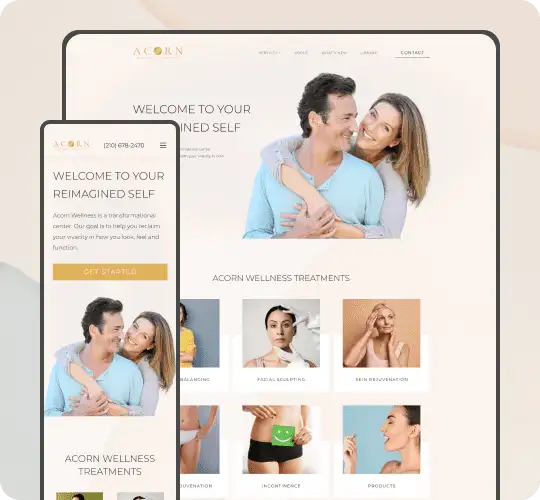
Modern, mobile-first websites that earn trust and turn visitors into calls, bookings, and quote requests.
We combine clear messaging, clean design, and conversion-focused CTAs, so people know exactly what to do next.
19.50%
New users
161.03%
Form submit conversions
210.53%
Form submit completions

Platforms we build on (based on your needs)

Wordpress

Woocommerce

Shopify

Big Commerce

3D Cart

Hubspot

Magento 2
3-5 Seconds
That’s how quickly visitors decide whether to stay or leave.
...unless you give them a reason to stay.
We help you make those seconds count with clear messaging, clean design, and strong calls to action.
- Captivating design
- Pleasant user experience
- Fascinating images

01. Captivating design
02. Meaningful user experience
03. Mobile friendly


Cutting Edge SEO and Functionality
We write code that gives websites the extra strict structure that the search engines love, and that keeps the entire platform of the site running smoothly without frustrating lags and errors.
Convert Visitors Into Customers
What sets us apart from the rest of the web development companies is that we have a team of experts that specialize in converting website visitors into paying customers. We can evaluate and determine your conversion rate by analyzing data that your website provides.
We can strategically implement enhanced revisions for each page based on the data that we analyze from your web traffic. These slight revisions will improve your overall conversion rates and bring you more success.
Learn More About Conversion Rate Optimization3 key elements that determine the success of a website:
3 elements
-
 01
01
Web design and structure
-
 02
02
Driving visitors to your website (SEO, PPC, content marketing and more)
-
 03
03
Conversion rate optimization (getting your website to do what it is supposed to do)
Languages and Frameworks
We Choose to Build Websites and Apps On








Your Brand. Your Style. Your Way.
See what our clients have to say about us
Eric Odell
review
 May 15, 2022
We knew we need to update our website but were afraid to lose the SEO ranking our old site had. After speaking with Web Loft we knew we found a professional organization that could get us there. They listened to all of our thoughts, designs ideas, colors, and made suggestions on the layout and design. They took our outdated HTML website to a new crisp / professional WordPress site. They time lined the entire process and have great project management tools in place to manage from start to finish. It was also very easy to communicate with all team members working on the project when it comes to design, SEO, layout, content, etc. They saved us money by suggesting a new hosting provider for our new website which was cheaper and more secure than GoDaddy. I would highly recommend Web Loft Designs to anyone that asked me to recommend a company to build a new website or update an existing site.
Cyndi Flores
review
August 15, 2021
If you want a clean, modern, and professional site – look no further. Web Loft just completed my site and I am beyond pleased with the results. The process was very well organized and their team helped me think through the design of the website, giving valuable feedback, and explaining different options/solutions. Creating a website is more difficult than one would think and this was my first experience allowing a third party to work on mine, but they exceeded my expectations.
Brian Williams
review
May 13, 2021
What became very clear very quickly was that the design was very polished, professional and clean which is important considering our clients are mostly Fortune 500 companies. Also, the message on the site was very Clear, Compelling, and Concise which is exactly what we were hoping for! They would not allow us to add any feature, word, or graphic to the site that would conflict with our ultimate goal. This was impressive. They genuinely cared about the end result, even if it included telling us no to an idea. I really appreciated this and found it both rare and refreshing.
Michaela Mora
review
January 12, 2021
Given Relevant Insights’ focus on improving the user experience for its own clients, the design efforts for the new Relevant Insights website was driven by the need for high-quality content density, intuitive navigation, and appealing graphic elements to draw attention to and create a human visual experience that communicated the benefits of services. The Webloft Design team was consistently open and flexible to receive feedback based on the research-based UX design principles used by Relevant Insights when advising its own clients. The new website has been optimized to be faster and more responsive than before. It also provides more flexibility for content publication including recent and popular videos and articles.
Website Design and Development: what you get with Web Loft Designs
-
Custom, conversion-focused design
Every layout is designed around your goals, content, and customer journey, not a cookie-cutter theme.
-
Mobile-first experience
Your site is built to perform on phones first, where most searches and decisions happen.
-
SEO-ready foundation
We structure your pages, headings, internal links, and on-page essentials, so you can rank and scale content faster.
-
Built for marketing
Clear calls-to-action, landing-page-ready sections, and tracking-friendly structure so your site supports SEO, ads, and email campaigns.
-
Accessibility options (WCAG/ADA)
We can implement accessibility best practices and an accessibility plan based on your industry and risk level.
-
Training + handoff
You will get guided training so your team can confidently edit pages, menus, and content after launch.
-
Content planning support
We help map what each page should say and how it should be organized. Copywriting and SEO content support are available if you want us to produce or refine the final text.





Website Design & Development
Work with a team that understands your business and builds a website aligned with your goals, not just your visual preferences
- Custom design that reflects your brand
- Mobile-friendly, user-friendly pages built to load fast
- Clear, engaging content that helps visitors understand your value and take action
- Easy-to-manage CMS so you can update content
- Structured to scale as your business grows


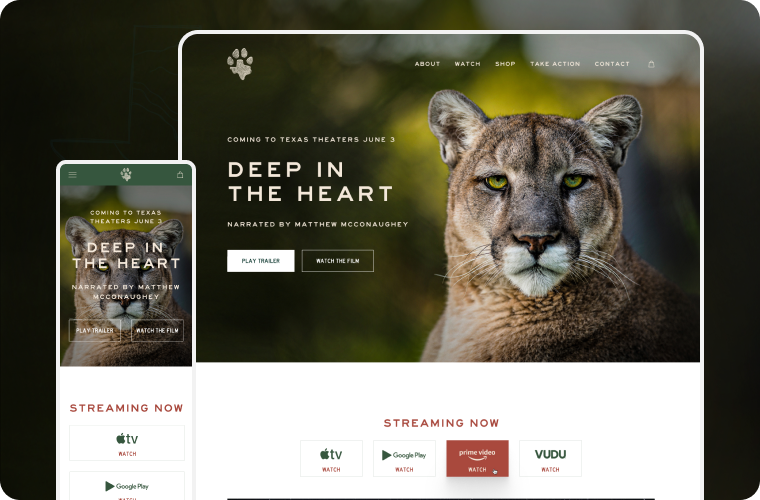

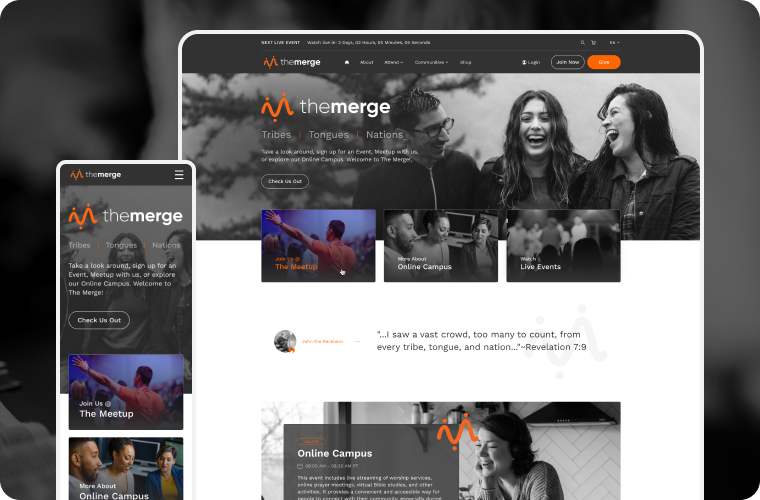
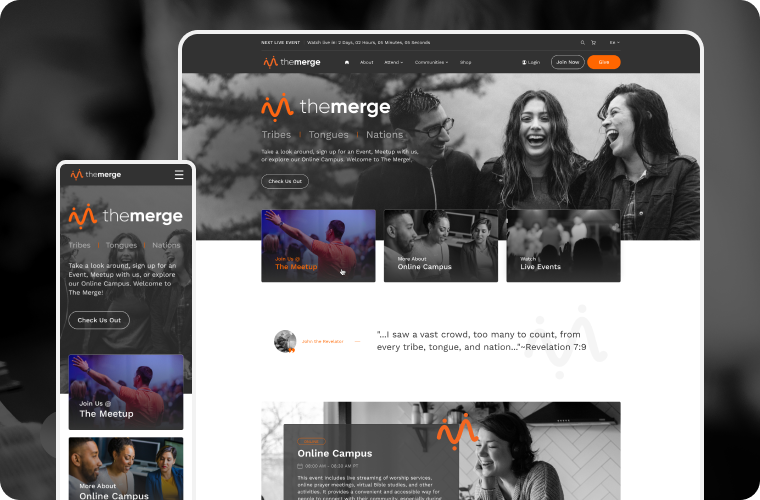
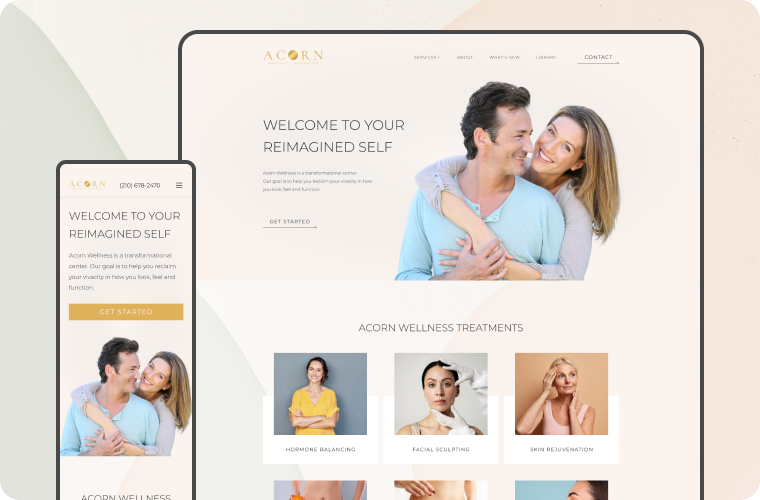
Our Process
Process steps
1
Discover
We learn your goals, audience, and what you want the website to achieve (calls, bookings, quote requests, subscriptions, etc.), then confirm scope and timeline.
2
Plan
We map your sitemap and page content outline so every page has a clear purpose and supports your customer journey.
3
Design
We create a modern, mobile-first design that matches your brand and guides visitors toward a clear next step.
4
Development + QA
We build your site in the CMS, set up forms/CTAs (Calls to Action) and essential features, then test across devices for a smooth launch.
5
Launch + Training
We launch your website, connect analytics, and train your team so you can confidently edit and manage content going forward.
Frequently Asked Questions
Website Design
The design of a website is incredibly important because it directly affects how users experience a business online. Think of it as the virtual face of the company and the first thing potential customers see when they visit. A well-designed website does more than just look nice—it engages visitors, effectively communicates the brand’s message, and guides them towards taking actions like making a purchase or getting in touch.
When a website is visually appealing and easy to navigate, it builds trust and credibility. Visitors are more likely to stick around, explore different pages, and maybe even become customers. On the flip side, a poorly designed website with confusing menus, slow loading times, or a cluttered layout can turn people off and make them leave right away. That means missed opportunities and lost business.
But here’s the thing: website design isn’t just about appearances. It also plays a big role in search engine optimization (SEO). Search engines like Google take into account factors such as how mobile-friendly a website is and how fast its pages load when deciding where to rank it in search results.
So, having a well-optimized design can actually help improve visibility and attract more organic traffic to the site. It’s a chance to make a positive impression, engage with customers, and achieve important marketing and business goals. So, investing in a well-designed website is definitely worth it.
Responsive website design is an approach to web design and development that focuses on creating websites that adapt and respond to different screen sizes and devices. With responsive design, a website automatically adjusts its layout, content, and functionality based on the user’s device, whether it’s a desktop computer, laptop, tablet, or smartphone.
The key benefits of responsive website design are improved user experience and accessibility. It eliminates the need for creating separate versions of a website for different devices, making it more efficient and cost-effective.
Responsive websites ensure that content is easily readable, navigation is intuitive, and images and media adapt seamlessly across various screen sizes. This approach also positively impacts search engine optimization (SEO), as search engines prioritize mobile-friendly websites in their rankings.
By embracing responsive website design, businesses can reach and engage a broader audience, enhance user satisfaction, and provide a consistent brand experience across devices.
SEO website design refers to the practice of creating and structuring a website in a way that optimizes it for better visibility and ranking on search engines. It involves incorporating SEO principles into the design and development process, such as implementing proper HTML markup, optimizing page speed, creating keyword-rich content, and ensuring mobile responsiveness.
The goal of SEO website design is to improve the website’s organic search visibility, drive more targeted traffic, and enhance the overall user experience. Our team of highly skilled web designers can help ensure that your website is designed with SEO in mind.
When it comes to website design, there are a few key elements that work together to create a great user experience. Let’s break them down.
First off, visual appeal is super important. You want to catch people’s attention and make a positive first impression. This means cohesive combination of colors, typography, imagery, and white space that aligns seamlessly with your brand and resonates with your target audience.
Next up, user-friendliness is crucial. Your site should be easy to navigate and interact with. That means clear menus, logical page organization, noticeable call-to-action buttons, and a design that adapts smoothly to different devices and screen sizes.
Having a clear purpose and messaging is another essential aspect. Your design should effectively communicate what your brand is all about. Give people the information they need in a concise and easy-to-read way, with clear headlines, subheadings, and bullet points.
Speed matters, too! Slow-loading pages can be frustrating for users, so optimize your site’s performance. Keep file sizes small, use caching techniques, and choose a reliable hosting provider.
Don’t forget about mobile responsiveness. Since so many people use their phones and tablets to browse the web, your design needs to look and work great on mobile devices, adjusts nicely to different screen sizes for a seamless experience.
Last but not least, search engine optimization (SEO). By following SEO best practices, you can improve your site’s visibility in search engine rankings. This involves optimizing things like page titles, meta descriptions, headings, using relevant keywords throughout your content and much more.
By incorporating these elements into your website design, you’ll create an attractive, user-friendly, and effective online presence.
The time it takes to design a website can vary depending on various factors such as the complexity of the project, the scope of work, the responsiveness of the client, and the availability of resources.
In general, a simple website with a few pages and basic functionality can take anywhere from a few weeks to a couple of months to design. However, more complex websites with custom features, e-commerce functionality, or intricate designs may take several months to complete.
It’s important to note that the timeline for website design also depends on effective communication and collaboration between the client and the web designer or agency. Timely provision of content, feedback, and approvals can significantly impact the overall duration of the project.
Our team will happily sit down with you to discuss the timeline and help set milestones so you can have a better understanding of how long your project will take.
Most informational sites are built on WordPress because it’s flexible, easy to manage, and scalable as you add pages or marketing content. If your needs are better suited for another platform (Shopify for eCommerce, for example), we will recommend that instead.
Both. We can redesign and rebuild an existing site or build from scratch, whichever is best based on your current platform, goals, and what’s worth keeping.
We typically need your business goals, examples of sites you like, logo/brand assets (if available), page list, and any existing content. If content isn’t ready, we can help you plan it and/or write it. Here is a project questionnaire that will give you an idea of what we are looking for: https://www.webloftdesigns.com/new-site-survey.
Yes, absolutely. We build on a CMS so you can update text, images, and pages, and we provide training so your team feels confident managing content.
Yes. We can help plan the page messaging and structure, and we can also provide copywriting or editing if you want us to create or refine the final text.
Most info sites include core pages like Home, About, Services, Solutions, FAQ, and Contact, plus a few supporting pages as needed. If you need a larger site (more services, locations, or content sections), we’ll scope it and quote accordingly.
Most projects include custom design, mobile-first development, core pages, lead capture forms/CTAs, basic SEO structure, analytics setup, and training. Add-ons may include copywriting, accessibility package, local SEO, advanced SEO, integrations, eCommerce, portals/memberships, and ongoing maintenance.
Most info websites take 3–6 weeks from kickoff to launch. Timeline depends on how quickly content, approvals, and feedback are provided.
Most info websites fall between $2,000–$8,000, depending on page count, content needs, and any added functionality (forms, scheduling, integrations, etc.). We will confirm scope and provide a clear quote before we begin.
Ecommerce Website
An info site is focused on showing services and generating leads (calls/forms). An eCommerce site includes product pages, cart/checkout, payments, shipping/tax rules, and inventory, which increases complexity and requires a tailored quote.
An eCommerce website is a digital marketplace where businesses can offer their products or services to consumers via the internet. It enables customers to browse product catalogs, make purchases, and complete transactions electronically. These websites can host physical or digital products or services. They usually incorporate features like product listings, price details, customer feedback, order status tracking, inventory management, user accounts, and systems for processing payments.
Ecommerce businesses mainly come in 3 types:
- Business-to-consumer (B2C): Businesses selling directly to consumers.
- Business-to-business (B2B): Companies offering products or services to other businesses.
- Consumer-to-consumer (C2C): Individuals selling to other individuals.
There are several excellent frameworks available for building eCommerce websites. One popular and highly regarded framework is WooCommerce, which is built on top of WordPress and offers a user-friendly interface, extensive customization options, and a large community of users and developers.
Another powerful framework is Shopify, which provides a complete eCommerce solution with easy setup, mobile responsiveness, and a range of built-in features. Magento is another robust framework known for its scalability and flexibility, suitable for large and complex eCommerce websites.
The best framework for an eCommerce website depends on specific business needs, budget, technical expertise, and desired functionalities.
Our team of web developers has a specific focus on designing and developing eCommerce sites. Contact us to learn how we can help.
To do SEO for an eCommerce website:
- Start by conducting keyword research to identify relevant keywords for your products or services.
- Optimize product pages by incorporating target keywords in titles, descriptions, and headings. Improve website structure and navigation to enhance user experience and search engine crawling.
- Generate high-quality backlinks from authoritative sources to boost your website’s authority.
- Create unique and compelling product descriptions to avoid duplicate content issues.
- Regularly monitor website analytics, track keyword rankings, and make adjustments to optimize SEO performance.
SEO for eCommerce differs in approaches and techniques compared to non-eCommerce SEO and is more technical. These include shopping feeds management, product optimization, increasing conversion rates and more.
The time it takes to build an eCommerce website can vary depending on factors such as the complexity of the website, desired features, customization requirements, and the expertise of the development team. Typically, building an eCommerce website can take several weeks to a few months. It involves various stages such as planning, design, development, content creation, content installation, testing, and launch.
Working with our team of highly skilled web developers can help ensure a smooth and efficient development process, helping you launch your eCommerce website within a reasonable timeframe.
To increase sales on an eCommerce website,
- Focus on optimizing product pages with clear and compelling descriptions, images, and pricing.
- Streamline the checkout process to make it simple and secure, reducing cart abandonment. Implement upselling and cross-selling techniques to encourage customers to add more items to their carts.
- Utilize targeted marketing campaigns, personalized recommendations, and promotional offers to engage customers and drive conversions.
- Regularly analyze website analytics, customer behavior, and feedback to identify areas for improvement and optimize the overall shopping experience.
Digital Marketing
SEO, or Search Engine Optimization, is a fundamental aspect of digital marketing that focuses on improving a website’s visibility and organic (non-paid) search engine rankings. It involves various strategies and techniques aimed at optimizing website content, structure, and performance to align with search engine algorithms.
The goal of SEO is to attract relevant organic traffic by ensuring that a website appears prominently in search engine results pages (SERPs) when users search for specific keywords or phrases related to the business. This involves on-page optimization, such as optimizing website content, meta tags, and headings, as well as off-page optimization, including building high-quality backlinks and improving the overall website authority.
By implementing effective SEO practices, businesses can increase their online visibility, reach a wider audience, and drive targeted traffic to their website. SEO is a long-term strategy that requires ongoing monitoring, analysis, and adjustments to stay competitive in search rankings and maintain a strong online presence.
Content marketing is a strategic approach in digital marketing that focuses on creating and distributing valuable, relevant, and consistent content to attract and engage a target audience. It involves the creation and sharing of various forms of content, such as blog posts, articles, videos, infographics, eBooks, and social media posts, with the aim of building brand awareness, establishing thought leadership, and driving customer engagement.
The key principle of content marketing is to provide informative, entertaining, or educational content that addresses the needs, challenges, or interests of the target audience. By delivering valuable content, businesses can establish trust, nurture relationships, and position themselves as authorities in their respective industries. Content marketing also plays a significant role in driving organic search engine traffic, as quality content that incorporates relevant keywords can help improve search engine rankings.
Overall, content marketing focuses on delivering value to the audience, attracting and retaining their attention, and ultimately driving profitable customer actions, such as conversions or brand loyalty.
Retargeting, also known as remarketing, is a digital marketing technique that involves targeting and advertising to users who have previously interacted with a brand’s website or online content.
It utilizes tracking technology to identify users who have shown interest in a product or service and then displays targeted ads to them as they browse other websites or platforms. Retargeting aims to re-engage these potential customers, remind them of the brand, and encourage them to take desired actions, such as making a purchase or completing a conversion.
A digital marketing strategy is a comprehensive plan that outlines how a business will leverage digital channels and tactics to achieve its marketing objectives. It involves the strategic use of various online platforms and techniques to reach and engage the target audience, build brand awareness, drive website traffic, and generate leads or conversions.
A well-defined digital marketing strategy incorporates a combination of channels such as search engine optimization (SEO), social media marketing, content marketing, email marketing, and online advertising to create a cohesive and effective approach to online marketing.
Digital marketing plays a vital role in helping businesses connect with their target audience and achieve their marketing objectives in the online space. It involves utilizing various digital channels and strategies to promote products, services, or brands.
One key function of digital marketing is to increase brand visibility and awareness. Through techniques like search engine optimization (SEO), businesses can improve their website’s ranking in search engine results pages, making it more likely for potential customers to discover their brand. Additionally, digital marketing leverages social media platforms, email marketing, content marketing, and online advertising to expose the brand to a wider audience and create a strong online presence.
Another crucial aspect of digital marketing is lead generation and customer acquisition. By employing strategies like pay-per-click (PPC) advertising, social media advertising, and email marketing campaigns, businesses can target specific demographics and drive relevant traffic to their website or landing pages. Through compelling content, effective calls-to-action, and optimized conversion funnels, digital marketing aims to convert website visitors into leads and ultimately into customers.
Digital marketing acts as a comprehensive toolbox that businesses can use to connect with their audience, build brand recognition, drive website traffic, generate leads, and achieve measurable results in terms of conversions and revenue growth.
Digital marketing is important because it allows businesses to effectively reach and engage their target audience in the online realm. Here are some key reasons why digital marketing holds significance:
- Broad Reach:
- With the increasing use of digital devices and online platforms, digital marketing enables businesses to reach a vast audience globally. It provides the opportunity to connect with potential customers across various channels such as search engines, social media, email, websites, and mobile apps.
- Targeted Audience:
- Digital marketing allows businesses to precisely target their ideal audience based on demographics, interests, behaviors, and other relevant factors. This targeted approach ensures that marketing efforts are directed towards the right people, increasing the chances of conversions and maximizing return on investment.
- Cost-Effectiveness:
- Compared to traditional marketing channels, digital marketing often offers a more cost-effective solution. It allows businesses of all sizes, including startups and small enterprises, to allocate budgets efficiently and target specific segments without the need for large-scale investments.
- Measurable Results:
- Digital marketing provides valuable data and analytics that allow businesses to track and measure the effectiveness of their marketing campaigns. Metrics such as website traffic, conversion rates, click-through rates, and engagement levels offer insights to optimize strategies and make data-driven decisions.
- Flexibility and Adaptability:
- Digital marketing offers flexibility to quickly adapt and modify campaigns based on real-time data and market trends. It allows businesses to experiment, test different approaches, and make adjustments to optimize performance and achieve better results.
- Customer Engagement and Interaction:
- Digital marketing provides opportunities for direct interaction and engagement with customers. Social media platforms, email marketing, live chat, and personalized messaging enable businesses to build relationships, address customer inquiries, and provide tailored experiences.
In today’s digital age, an effective digital marketing strategy is essential for businesses to stay competitive, increase brand awareness, foster customer relationships, and drive business growth. It allows businesses to leverage the power of the internet and technology to effectively market their products or services and achieve their marketing objectives.
Yes. We regularly integrate tools like Calendly/booking systems, payment links, form routing, email marketing platforms, ERPs and CRMs. We will confirm requirements and quote any custom integration work up front.
Search Engine Optimization
Search Engine Optimization (SEO) is the practice of optimizing a website to improve its visibility and ranking on search engine results pages (SERPs). It involves implementing various techniques and strategies to enhance the website’s relevance, authority, and user experience. The goal of SEO is to increase organic (non-paid) search engine traffic, attract targeted visitors, and ultimately improve the website’s online presence and performance.
Absolutely! Search engine optimization (SEO) is unquestionably worth the investment for businesses. By implementing effective SEO strategies, you can significantly improve your website’s visibility, attract targeted organic traffic, and achieve long-term sustainable results.
SEO helps you connect with your target audience at the moment they are actively searching for products or services related to your business, increasing the chances of driving qualified leads and conversions. Moreover, compared to other digital marketing tactics, SEO offers a higher return on investment (ROI) over time, as the traffic generated from organic search is free and continuous.
By investing in SEO, you are investing in the long-term success and growth of your online presence.
To utilize search engine optimization (SEO), begin by conducting thorough keyword research to identify relevant keywords and phrases for your website. Incorporate these keywords naturally into your website’s content, meta tags, headings, and URLs.
Focus on creating high-quality and valuable content that addresses the needs and interests of your target audience. Ensure your website is technically optimized, with fast loading times, mobile responsiveness, and proper indexing by search engines.
Build high-quality backlinks from reputable websites to increase your website’s authority and credibility. Regularly monitor your website’s performance, track keyword rankings and organic traffic, and make adjustments to your SEO strategy as needed to improve results over time.
Search Engine Optimization (SEO) improves a website’s visibility and ranking on search engine results pages (SERPs) through various techniques such as keyword optimization, content creation, and technical optimization. By implementing SEO strategies, businesses aim to attract organic traffic and increase their online presence.
Search Engine Optimization (SEO) involves several key factors, including keyword research, on-page optimization, technical optimization, backlink building, and content creation. These factors work together to improve a website’s visibility, search engine rankings, and organic traffic.
Improving search engine optimization (SEO) involves several key strategies. These include conducting thorough keyword research, optimizing website content and structure, building high-quality backlinks, and ensuring technical optimization. Our team of highly skilled web designers can help you enhance your SEO efforts by providing personalized strategies tailored to your business goals.
We can assist with keyword optimization, content creation, technical SEO audits, and ongoing monitoring to continuously improve your website’s visibility and organic traffic. With our expertise, you can boost your search engine rankings and increase the overall effectiveness of your online presence.
Search Engine Optimization (SEO) works by optimizing various aspects of a website to improve its visibility and ranking in search engine results pages (SERPs). Here’s a brief overview of how SEO works:
- Keyword Research:
- SEO begins with keyword research, where relevant keywords and phrases related to the business, products, or services are identified. These keywords are used strategically throughout the website’s content.
- On-Page Optimization:
- On-page optimization involves optimizing individual web pages to make them more search engine-friendly. This includes optimizing meta tags (title tags, meta descriptions), headings, URL structures, and optimizing the content with relevant keywords.
- Technical Optimization:
- Technical SEO ensures that the website is technically sound and accessible to search engine crawlers. This includes optimizing website speed, improving mobile responsiveness, implementing proper URL structures, and optimizing XML sitemaps.
- Off-Page Optimization:
- Off-page optimization focuses on building the website’s authority and reputation through external factors. This is typically achieved by acquiring high-quality backlinks from reputable websites, social media engagement, and online PR activities.
- Content Creation:
- Creating high-quality and engaging content is a crucial aspect of SEO. By producing valuable and relevant content, businesses can attract visitors, increase user engagement, and improve search engine rankings.
- Monitoring and Analysis:
- SEO is an ongoing process that requires monitoring and analysis of key metrics. This involves tracking website rankings, analyzing website traffic, and making data-driven decisions to refine SEO strategies.
By implementing these SEO techniques, businesses aim to improve their website’s visibility in search results, drive organic traffic, and increase the likelihood of attracting and converting potential customers.
Yes. We build with an SEO-ready foundation: clean page structure, proper headings, basic metadata setup, internal linking best practices, and mobile-first performance considerations. Ongoing SEO and content growth can be added if you want to actively rank for competitive terms; please see our SEO packages https://www.webloftdesigns.com/seo-packages/
Google Ads
Google Ads, formerly known as Google AdWords, is an online advertising platform offered by Google. It enables businesses to create and display ads across various Google platforms, including search results, websites, mobile apps, and video content.
With Google Ads, businesses can target specific keywords, demographics, geographic locations, and interests to reach their desired audience. The platform operates on a pay-per-click (PPC) model, where advertisers only pay when their ads are clicked by users.
Google Ads offers various ad formats, including text ads, display ads, video ads, shopping ads, and app promotion ads. It provides powerful tools for campaign management, ad performance tracking, and optimization to help businesses maximize their advertising efforts and achieve their marketing goals.
Yes, Google Ads is worth it for businesses looking to increase their online visibility, drive targeted traffic, and generate leads or conversions. By leveraging the extensive reach of Google’s advertising network and targeting options, businesses can effectively reach their desired audience based on various factors such as demographics, interests, and search intent. This targeted approach helps maximize the relevance of ads and reach potential customers who are more likely to convert.
Strategic keyword optimization ensures that ads are displayed to users actively searching for products or services similar to what the business offers.
Another important component is compelling ad copy and visually appealing creative designs that play a crucial role in attracting user attention and driving engagement.
With proper campaign setup, optimization, and monitoring, Google Ads can deliver a strong return on investment and contribute to the growth of a business.
To use Google Ads effectively, start by setting clear campaign goals and defining your target audience. Conduct keyword research to identify relevant keywords, create compelling ads that highlight your unique value proposition, and optimize your landing pages for conversions. Set a budget, monitor your campaign performance regularly, and make adjustments based on the data to maximize your results.
Google Ads works through a bidding system where advertisers bid on specific keywords to display their ads on relevant Google search results and other platforms. Advertisers create campaigns, set a budget, and define targeting criteria such as keywords, demographics, and locations.
When users search for relevant keywords or visit websites with related content, Google displays relevant ads based on the bidding and targeting settings. Advertisers are charged when users click on their ads (pay-per-click) or when specific ad goals are achieved (such as impressions or conversions).
Miscellaneous
Yes. We offer ongoing support for updates, security, backups, performance monitoring, small edits, and troubleshooting, so your site stays healthy and protected over time. Please check our maintenance plans here: https://www.webloftdesigns.com/webmaster-site-management-plan/
AI builders can be fine for quick DIY sites, but a custom build is better when you need strong branding, better conversions, SEO structure, integrations, and a site that grows with your business. Many clients start DIY, then upgrade when they want better results.
Website Design
The design of a website is incredibly important because it directly affects how users experience a business online. Think of it as the virtual face of the company and the first thing potential customers see when they visit. A well-designed website does more than just look nice—it engages visitors, effectively communicates the brand’s message, and guides them towards taking actions like making a purchase or getting in touch.
When a website is visually appealing and easy to navigate, it builds trust and credibility. Visitors are more likely to stick around, explore different pages, and maybe even become customers. On the flip side, a poorly designed website with confusing menus, slow loading times, or a cluttered layout can turn people off and make them leave right away. That means missed opportunities and lost business.
But here’s the thing: website design isn’t just about appearances. It also plays a big role in search engine optimization (SEO). Search engines like Google take into account factors such as how mobile-friendly a website is and how fast its pages load when deciding where to rank it in search results.
So, having a well-optimized design can actually help improve visibility and attract more organic traffic to the site. It’s a chance to make a positive impression, engage with customers, and achieve important marketing and business goals. So, investing in a well-designed website is definitely worth it.
Responsive website design is an approach to web design and development that focuses on creating websites that adapt and respond to different screen sizes and devices. With responsive design, a website automatically adjusts its layout, content, and functionality based on the user’s device, whether it’s a desktop computer, laptop, tablet, or smartphone.
The key benefits of responsive website design are improved user experience and accessibility. It eliminates the need for creating separate versions of a website for different devices, making it more efficient and cost-effective.
Responsive websites ensure that content is easily readable, navigation is intuitive, and images and media adapt seamlessly across various screen sizes. This approach also positively impacts search engine optimization (SEO), as search engines prioritize mobile-friendly websites in their rankings.
By embracing responsive website design, businesses can reach and engage a broader audience, enhance user satisfaction, and provide a consistent brand experience across devices.
SEO website design refers to the practice of creating and structuring a website in a way that optimizes it for better visibility and ranking on search engines. It involves incorporating SEO principles into the design and development process, such as implementing proper HTML markup, optimizing page speed, creating keyword-rich content, and ensuring mobile responsiveness.
The goal of SEO website design is to improve the website’s organic search visibility, drive more targeted traffic, and enhance the overall user experience. Our team of highly skilled web designers can help ensure that your website is designed with SEO in mind.
When it comes to website design, there are a few key elements that work together to create a great user experience. Let’s break them down.
First off, visual appeal is super important. You want to catch people’s attention and make a positive first impression. This means cohesive combination of colors, typography, imagery, and white space that aligns seamlessly with your brand and resonates with your target audience.
Next up, user-friendliness is crucial. Your site should be easy to navigate and interact with. That means clear menus, logical page organization, noticeable call-to-action buttons, and a design that adapts smoothly to different devices and screen sizes.
Having a clear purpose and messaging is another essential aspect. Your design should effectively communicate what your brand is all about. Give people the information they need in a concise and easy-to-read way, with clear headlines, subheadings, and bullet points.
Speed matters, too! Slow-loading pages can be frustrating for users, so optimize your site’s performance. Keep file sizes small, use caching techniques, and choose a reliable hosting provider.
Don’t forget about mobile responsiveness. Since so many people use their phones and tablets to browse the web, your design needs to look and work great on mobile devices, adjusts nicely to different screen sizes for a seamless experience.
Last but not least, search engine optimization (SEO). By following SEO best practices, you can improve your site’s visibility in search engine rankings. This involves optimizing things like page titles, meta descriptions, headings, using relevant keywords throughout your content and much more.
By incorporating these elements into your website design, you’ll create an attractive, user-friendly, and effective online presence.
The time it takes to design a website can vary depending on various factors such as the complexity of the project, the scope of work, the responsiveness of the client, and the availability of resources.
In general, a simple website with a few pages and basic functionality can take anywhere from a few weeks to a couple of months to design. However, more complex websites with custom features, e-commerce functionality, or intricate designs may take several months to complete.
It’s important to note that the timeline for website design also depends on effective communication and collaboration between the client and the web designer or agency. Timely provision of content, feedback, and approvals can significantly impact the overall duration of the project.
Our team will happily sit down with you to discuss the timeline and help set milestones so you can have a better understanding of how long your project will take.
Most informational sites are built on WordPress because it’s flexible, easy to manage, and scalable as you add pages or marketing content. If your needs are better suited for another platform (Shopify for eCommerce, for example), we will recommend that instead.
Both. We can redesign and rebuild an existing site or build from scratch, whichever is best based on your current platform, goals, and what’s worth keeping.
We typically need your business goals, examples of sites you like, logo/brand assets (if available), page list, and any existing content. If content isn’t ready, we can help you plan it and/or write it. Here is a project questionnaire that will give you an idea of what we are looking for: https://www.webloftdesigns.com/new-site-survey.
Yes, absolutely. We build on a CMS so you can update text, images, and pages, and we provide training so your team feels confident managing content.
Yes. We can help plan the page messaging and structure, and we can also provide copywriting or editing if you want us to create or refine the final text.
Most info sites include core pages like Home, About, Services, Solutions, FAQ, and Contact, plus a few supporting pages as needed. If you need a larger site (more services, locations, or content sections), we’ll scope it and quote accordingly.
Most projects include custom design, mobile-first development, core pages, lead capture forms/CTAs, basic SEO structure, analytics setup, and training. Add-ons may include copywriting, accessibility package, local SEO, advanced SEO, integrations, eCommerce, portals/memberships, and ongoing maintenance.
Most info websites take 3–6 weeks from kickoff to launch. Timeline depends on how quickly content, approvals, and feedback are provided.
Most info websites fall between $2,000–$8,000, depending on page count, content needs, and any added functionality (forms, scheduling, integrations, etc.). We will confirm scope and provide a clear quote before we begin.
Ecommerce Website
An info site is focused on showing services and generating leads (calls/forms). An eCommerce site includes product pages, cart/checkout, payments, shipping/tax rules, and inventory, which increases complexity and requires a tailored quote.
An eCommerce website is a digital marketplace where businesses can offer their products or services to consumers via the internet. It enables customers to browse product catalogs, make purchases, and complete transactions electronically. These websites can host physical or digital products or services. They usually incorporate features like product listings, price details, customer feedback, order status tracking, inventory management, user accounts, and systems for processing payments.
Ecommerce businesses mainly come in 3 types:
- Business-to-consumer (B2C): Businesses selling directly to consumers.
- Business-to-business (B2B): Companies offering products or services to other businesses.
- Consumer-to-consumer (C2C): Individuals selling to other individuals.
There are several excellent frameworks available for building eCommerce websites. One popular and highly regarded framework is WooCommerce, which is built on top of WordPress and offers a user-friendly interface, extensive customization options, and a large community of users and developers.
Another powerful framework is Shopify, which provides a complete eCommerce solution with easy setup, mobile responsiveness, and a range of built-in features. Magento is another robust framework known for its scalability and flexibility, suitable for large and complex eCommerce websites.
The best framework for an eCommerce website depends on specific business needs, budget, technical expertise, and desired functionalities.
Our team of web developers has a specific focus on designing and developing eCommerce sites. Contact us to learn how we can help.
To do SEO for an eCommerce website:
- Start by conducting keyword research to identify relevant keywords for your products or services.
- Optimize product pages by incorporating target keywords in titles, descriptions, and headings. Improve website structure and navigation to enhance user experience and search engine crawling.
- Generate high-quality backlinks from authoritative sources to boost your website’s authority.
- Create unique and compelling product descriptions to avoid duplicate content issues.
- Regularly monitor website analytics, track keyword rankings, and make adjustments to optimize SEO performance.
SEO for eCommerce differs in approaches and techniques compared to non-eCommerce SEO and is more technical. These include shopping feeds management, product optimization, increasing conversion rates and more.
The time it takes to build an eCommerce website can vary depending on factors such as the complexity of the website, desired features, customization requirements, and the expertise of the development team. Typically, building an eCommerce website can take several weeks to a few months. It involves various stages such as planning, design, development, content creation, content installation, testing, and launch.
Working with our team of highly skilled web developers can help ensure a smooth and efficient development process, helping you launch your eCommerce website within a reasonable timeframe.
To increase sales on an eCommerce website,
- Focus on optimizing product pages with clear and compelling descriptions, images, and pricing.
- Streamline the checkout process to make it simple and secure, reducing cart abandonment. Implement upselling and cross-selling techniques to encourage customers to add more items to their carts.
- Utilize targeted marketing campaigns, personalized recommendations, and promotional offers to engage customers and drive conversions.
- Regularly analyze website analytics, customer behavior, and feedback to identify areas for improvement and optimize the overall shopping experience.
Digital Marketing
SEO, or Search Engine Optimization, is a fundamental aspect of digital marketing that focuses on improving a website’s visibility and organic (non-paid) search engine rankings. It involves various strategies and techniques aimed at optimizing website content, structure, and performance to align with search engine algorithms.
The goal of SEO is to attract relevant organic traffic by ensuring that a website appears prominently in search engine results pages (SERPs) when users search for specific keywords or phrases related to the business. This involves on-page optimization, such as optimizing website content, meta tags, and headings, as well as off-page optimization, including building high-quality backlinks and improving the overall website authority.
By implementing effective SEO practices, businesses can increase their online visibility, reach a wider audience, and drive targeted traffic to their website. SEO is a long-term strategy that requires ongoing monitoring, analysis, and adjustments to stay competitive in search rankings and maintain a strong online presence.
Content marketing is a strategic approach in digital marketing that focuses on creating and distributing valuable, relevant, and consistent content to attract and engage a target audience. It involves the creation and sharing of various forms of content, such as blog posts, articles, videos, infographics, eBooks, and social media posts, with the aim of building brand awareness, establishing thought leadership, and driving customer engagement.
The key principle of content marketing is to provide informative, entertaining, or educational content that addresses the needs, challenges, or interests of the target audience. By delivering valuable content, businesses can establish trust, nurture relationships, and position themselves as authorities in their respective industries. Content marketing also plays a significant role in driving organic search engine traffic, as quality content that incorporates relevant keywords can help improve search engine rankings.
Overall, content marketing focuses on delivering value to the audience, attracting and retaining their attention, and ultimately driving profitable customer actions, such as conversions or brand loyalty.
Retargeting, also known as remarketing, is a digital marketing technique that involves targeting and advertising to users who have previously interacted with a brand’s website or online content.
It utilizes tracking technology to identify users who have shown interest in a product or service and then displays targeted ads to them as they browse other websites or platforms. Retargeting aims to re-engage these potential customers, remind them of the brand, and encourage them to take desired actions, such as making a purchase or completing a conversion.
A digital marketing strategy is a comprehensive plan that outlines how a business will leverage digital channels and tactics to achieve its marketing objectives. It involves the strategic use of various online platforms and techniques to reach and engage the target audience, build brand awareness, drive website traffic, and generate leads or conversions.
A well-defined digital marketing strategy incorporates a combination of channels such as search engine optimization (SEO), social media marketing, content marketing, email marketing, and online advertising to create a cohesive and effective approach to online marketing.
Digital marketing plays a vital role in helping businesses connect with their target audience and achieve their marketing objectives in the online space. It involves utilizing various digital channels and strategies to promote products, services, or brands.
One key function of digital marketing is to increase brand visibility and awareness. Through techniques like search engine optimization (SEO), businesses can improve their website’s ranking in search engine results pages, making it more likely for potential customers to discover their brand. Additionally, digital marketing leverages social media platforms, email marketing, content marketing, and online advertising to expose the brand to a wider audience and create a strong online presence.
Another crucial aspect of digital marketing is lead generation and customer acquisition. By employing strategies like pay-per-click (PPC) advertising, social media advertising, and email marketing campaigns, businesses can target specific demographics and drive relevant traffic to their website or landing pages. Through compelling content, effective calls-to-action, and optimized conversion funnels, digital marketing aims to convert website visitors into leads and ultimately into customers.
Digital marketing acts as a comprehensive toolbox that businesses can use to connect with their audience, build brand recognition, drive website traffic, generate leads, and achieve measurable results in terms of conversions and revenue growth.
Digital marketing is important because it allows businesses to effectively reach and engage their target audience in the online realm. Here are some key reasons why digital marketing holds significance:
- Broad Reach:
- With the increasing use of digital devices and online platforms, digital marketing enables businesses to reach a vast audience globally. It provides the opportunity to connect with potential customers across various channels such as search engines, social media, email, websites, and mobile apps.
- Targeted Audience:
- Digital marketing allows businesses to precisely target their ideal audience based on demographics, interests, behaviors, and other relevant factors. This targeted approach ensures that marketing efforts are directed towards the right people, increasing the chances of conversions and maximizing return on investment.
- Cost-Effectiveness:
- Compared to traditional marketing channels, digital marketing often offers a more cost-effective solution. It allows businesses of all sizes, including startups and small enterprises, to allocate budgets efficiently and target specific segments without the need for large-scale investments.
- Measurable Results:
- Digital marketing provides valuable data and analytics that allow businesses to track and measure the effectiveness of their marketing campaigns. Metrics such as website traffic, conversion rates, click-through rates, and engagement levels offer insights to optimize strategies and make data-driven decisions.
- Flexibility and Adaptability:
- Digital marketing offers flexibility to quickly adapt and modify campaigns based on real-time data and market trends. It allows businesses to experiment, test different approaches, and make adjustments to optimize performance and achieve better results.
- Customer Engagement and Interaction:
- Digital marketing provides opportunities for direct interaction and engagement with customers. Social media platforms, email marketing, live chat, and personalized messaging enable businesses to build relationships, address customer inquiries, and provide tailored experiences.
In today’s digital age, an effective digital marketing strategy is essential for businesses to stay competitive, increase brand awareness, foster customer relationships, and drive business growth. It allows businesses to leverage the power of the internet and technology to effectively market their products or services and achieve their marketing objectives.
Yes. We regularly integrate tools like Calendly/booking systems, payment links, form routing, email marketing platforms, ERPs and CRMs. We will confirm requirements and quote any custom integration work up front.
Search Engine Optimization
Search Engine Optimization (SEO) is the practice of optimizing a website to improve its visibility and ranking on search engine results pages (SERPs). It involves implementing various techniques and strategies to enhance the website’s relevance, authority, and user experience. The goal of SEO is to increase organic (non-paid) search engine traffic, attract targeted visitors, and ultimately improve the website’s online presence and performance.
Absolutely! Search engine optimization (SEO) is unquestionably worth the investment for businesses. By implementing effective SEO strategies, you can significantly improve your website’s visibility, attract targeted organic traffic, and achieve long-term sustainable results.
SEO helps you connect with your target audience at the moment they are actively searching for products or services related to your business, increasing the chances of driving qualified leads and conversions. Moreover, compared to other digital marketing tactics, SEO offers a higher return on investment (ROI) over time, as the traffic generated from organic search is free and continuous.
By investing in SEO, you are investing in the long-term success and growth of your online presence.
To utilize search engine optimization (SEO), begin by conducting thorough keyword research to identify relevant keywords and phrases for your website. Incorporate these keywords naturally into your website’s content, meta tags, headings, and URLs.
Focus on creating high-quality and valuable content that addresses the needs and interests of your target audience. Ensure your website is technically optimized, with fast loading times, mobile responsiveness, and proper indexing by search engines.
Build high-quality backlinks from reputable websites to increase your website’s authority and credibility. Regularly monitor your website’s performance, track keyword rankings and organic traffic, and make adjustments to your SEO strategy as needed to improve results over time.
Search Engine Optimization (SEO) improves a website’s visibility and ranking on search engine results pages (SERPs) through various techniques such as keyword optimization, content creation, and technical optimization. By implementing SEO strategies, businesses aim to attract organic traffic and increase their online presence.
Search Engine Optimization (SEO) involves several key factors, including keyword research, on-page optimization, technical optimization, backlink building, and content creation. These factors work together to improve a website’s visibility, search engine rankings, and organic traffic.
Improving search engine optimization (SEO) involves several key strategies. These include conducting thorough keyword research, optimizing website content and structure, building high-quality backlinks, and ensuring technical optimization. Our team of highly skilled web designers can help you enhance your SEO efforts by providing personalized strategies tailored to your business goals.
We can assist with keyword optimization, content creation, technical SEO audits, and ongoing monitoring to continuously improve your website’s visibility and organic traffic. With our expertise, you can boost your search engine rankings and increase the overall effectiveness of your online presence.
Search Engine Optimization (SEO) works by optimizing various aspects of a website to improve its visibility and ranking in search engine results pages (SERPs). Here’s a brief overview of how SEO works:
- Keyword Research:
- SEO begins with keyword research, where relevant keywords and phrases related to the business, products, or services are identified. These keywords are used strategically throughout the website’s content.
- On-Page Optimization:
- On-page optimization involves optimizing individual web pages to make them more search engine-friendly. This includes optimizing meta tags (title tags, meta descriptions), headings, URL structures, and optimizing the content with relevant keywords.
- Technical Optimization:
- Technical SEO ensures that the website is technically sound and accessible to search engine crawlers. This includes optimizing website speed, improving mobile responsiveness, implementing proper URL structures, and optimizing XML sitemaps.
- Off-Page Optimization:
- Off-page optimization focuses on building the website’s authority and reputation through external factors. This is typically achieved by acquiring high-quality backlinks from reputable websites, social media engagement, and online PR activities.
- Content Creation:
- Creating high-quality and engaging content is a crucial aspect of SEO. By producing valuable and relevant content, businesses can attract visitors, increase user engagement, and improve search engine rankings.
- Monitoring and Analysis:
- SEO is an ongoing process that requires monitoring and analysis of key metrics. This involves tracking website rankings, analyzing website traffic, and making data-driven decisions to refine SEO strategies.
By implementing these SEO techniques, businesses aim to improve their website’s visibility in search results, drive organic traffic, and increase the likelihood of attracting and converting potential customers.
Yes. We build with an SEO-ready foundation: clean page structure, proper headings, basic metadata setup, internal linking best practices, and mobile-first performance considerations. Ongoing SEO and content growth can be added if you want to actively rank for competitive terms; please see our SEO packages https://www.webloftdesigns.com/seo-packages/
Google Ads
Google Ads, formerly known as Google AdWords, is an online advertising platform offered by Google. It enables businesses to create and display ads across various Google platforms, including search results, websites, mobile apps, and video content.
With Google Ads, businesses can target specific keywords, demographics, geographic locations, and interests to reach their desired audience. The platform operates on a pay-per-click (PPC) model, where advertisers only pay when their ads are clicked by users.
Google Ads offers various ad formats, including text ads, display ads, video ads, shopping ads, and app promotion ads. It provides powerful tools for campaign management, ad performance tracking, and optimization to help businesses maximize their advertising efforts and achieve their marketing goals.
Yes, Google Ads is worth it for businesses looking to increase their online visibility, drive targeted traffic, and generate leads or conversions. By leveraging the extensive reach of Google’s advertising network and targeting options, businesses can effectively reach their desired audience based on various factors such as demographics, interests, and search intent. This targeted approach helps maximize the relevance of ads and reach potential customers who are more likely to convert.
Strategic keyword optimization ensures that ads are displayed to users actively searching for products or services similar to what the business offers.
Another important component is compelling ad copy and visually appealing creative designs that play a crucial role in attracting user attention and driving engagement.
With proper campaign setup, optimization, and monitoring, Google Ads can deliver a strong return on investment and contribute to the growth of a business.
To use Google Ads effectively, start by setting clear campaign goals and defining your target audience. Conduct keyword research to identify relevant keywords, create compelling ads that highlight your unique value proposition, and optimize your landing pages for conversions. Set a budget, monitor your campaign performance regularly, and make adjustments based on the data to maximize your results.
Google Ads works through a bidding system where advertisers bid on specific keywords to display their ads on relevant Google search results and other platforms. Advertisers create campaigns, set a budget, and define targeting criteria such as keywords, demographics, and locations.
When users search for relevant keywords or visit websites with related content, Google displays relevant ads based on the bidding and targeting settings. Advertisers are charged when users click on their ads (pay-per-click) or when specific ad goals are achieved (such as impressions or conversions).
Miscellaneous
Yes. We offer ongoing support for updates, security, backups, performance monitoring, small edits, and troubleshooting, so your site stays healthy and protected over time. Please check our maintenance plans here: https://www.webloftdesigns.com/webmaster-site-management-plan/
AI builders can be fine for quick DIY sites, but a custom build is better when you need strong branding, better conversions, SEO structure, integrations, and a site that grows with your business. Many clients start DIY, then upgrade when they want better results.